
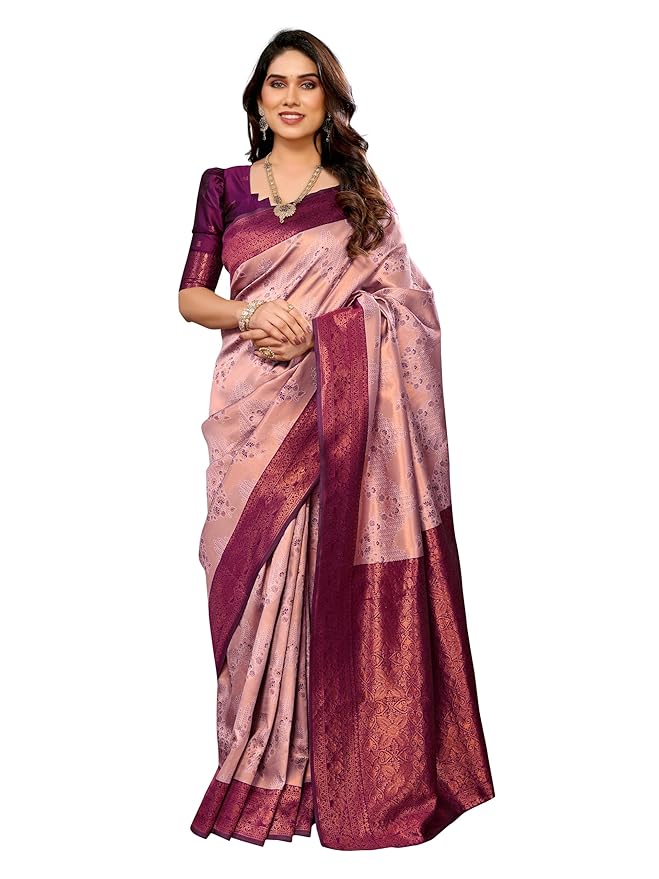
silk saree banarasi
A silk saree banarasi is one of the most luxurious garments in Indian clothing tradition. It is woven in the city of Varanasi (also called Banaras), using fine silk threads and metallic zari work. The saree often features intricate motifs like florals, paisleys, jali (net‑like patterns), and borders with heavy gold or silver thread. Wearing a silk saree banarasi at weddings or festivals signals respect for heritage and craftsmanship. These sarees are prized for their opulent sheen, soft texture, and ornate design. Understanding its origin, fabric, and maintenance helps keep its charm alive.
History and Craftsmanship
The story of the silk saree banarasi goes back hundreds of years under Mughal influence. Artisans introduced Persian‑inspired motifs, like bel and kalga, which remain central design elements. Weaving techniques such as brocade, butidar, and jala were perfected in old looms by skilled weavers. A single pure handloom banarasi saree may take weeks or even months to complete. The border (pallu) is usually the most decorative part, reflecting mastery in weaving. This tradition makes each piece unique and full of artistry.
Types and Variations
There are many styles of silk saree banarasi to suit different tastes. Katan silk sarees are made from pure mulberry silk and feel glossy. Georgette or chiffon banarasi sarees are lighter and flow easier, ideal for less formal wear. Tissue banarasi or organza ones have metallic shine and look semi‑transparent. Styles like Jangla, Tanchoi or Butidar use special weaving of motifs all over the cloth. Each variant offers a different feel—some heavy, some more breathable.
Fabric, Zari, and Motifs
What makes a silk saree banarasi stand out is its fabric and zari work. Pure silk gives a smooth, lustrous surface that reflects light softly. The zari thread is metal‑coated—often silver or gold—woven into borders or motifs. Some designs include floral creepers, peacock figures, Bel and Jhallar edges. The shine of the zari adds richness and grace. Beads, mirror work, or even Meenakari may be added for festive occasions.
How to Choose a Genuine Piece
When shopping, a true silk saree banarasi shows fine weaving, even texture, and authentic zari shine. Look at motifs: they should be clear, symmetric, without loose threads. Check the border and pallu—they often carry the most detail. Pure handloom pieces tend to cost more but have long durability. Inspect the weight: heavier sarees tend to have dense weaving and more zari. Also check for GI tag or “Silk Banarasi” certification if available.
The Times of India
Care and Maintenance
Caring for a silk saree banarasi ensures it lasts decades. Always dry‑clean when possible; avoid machine washing or harsh soap. Store folded in muslin or soft cotton cloth to protect fabric and zari. Do not expose to direct sunlight for long hours—it fades the silk and tarnishes zari. Iron on low heat, with cloth between iron and saree. Change folds regularly to avoid permanent creases.
Styling Tips
Styling a silk saree banarasi gives many options. Pair it with a silk blouse or contrast velvet piece for evening look. Choose classic jewelry like jhumkas, bangles or kundan to match traditional aesthetics. For simpler outings, pick pastel shades and minimal accessories. Footwear like embroidered juttis or strappy heels completes the look. Draping styles such as the classic Nivi, Bengali, or Gujarati styles suit different occasions. The saree’s color and design dictate your accessories too.
Cost and Value
A silk saree banarasi is an investment piece. Handwoven ones cost more due to labor and fine materials used. Machine‑woven or blended pieces are less expensive but may lack some richness. Designs with gold/silver zari, dense embroidery, or heavy motifs demand higher price. Buying from reputable weavers or brands ensures better value. Although expensive, these sarees appreciate in sentimental and monetary value over time.
Cultural Significance
A silk saree banarasi holds cultural meaning in Indian heritage. It is often part of bridal trousseau and weddings. In many families, sarees are passed down as heirlooms. The motifs often represent local history, stories, festivals, and art. Wearing one is both a display of tradition and personal style. Many diaspora communities and fashion designers celebrate Banarasi craft globally.
Modern Trends and Adaptations
Modern fashion has brought some changes to how silk saree banarasi is styled and made. Designers try lighter blends like silk‑cotton for comfort without losing sheen. Newer color shades – pastels, muted tones – are now popular beyond the usual rich reds and golds. Fusion styles mix Banarasi with borders or drapes over western clothing. Digital prints mimic traditional motifs in cheaper materials for casual wear. Still, pure handloom silk remains the gold standard.
Final Thoughts
In conclusion, a silk saree banarasi represents the best of tradition, art, and beauty. It blends artistry, heritage, and craftsmanship in every thread and zari‑woven motif. When chosen well and cared for, it becomes a treasured garment that lasts many years. Whether for a wedding, festival, or special event, this saree can shine with elegance. Owning one means carrying a piece of history and style together.
A silk saree banarasi is one of the most graceful outfits in Indian culture. It is made from smooth silk and decorated with shiny threads called zari. These sarees are woven in Varanasi, a city famous for its skilled weavers. People wear them at weddings, festivals, and family celebrations. The rich texture and detailed patterns make every saree special. Many women treasure these sarees for a lifetime.
A traditional silk saree banarasi can take many days to complete. Weavers use wooden looms to create complex designs. Patterns include flowers, leaves, birds, and royal shapes. Each thread is placed carefully to make the fabric look elegant. Some sarees have borders with golden or silver shine. The work is slow, but the result is beautiful and strong.
There are different types of silk saree banarasi styles. Katan silk is thick and pure, perfect for big events. Georgette silk is light and easy to wear. Tissue silk shines like metal and feels soft to touch. Tanchoi sarees have colorful designs without zari. Jangla sarees have large patterns all over. Each type gives you a new look and feel.
The fabric in a silk saree banarasi matters a lot. Pure silk feels soft, shiny, and lasts many years. Zari work is made from threads coated in gold or silver. Some designs also use colored silk to add extra detail. Sarees with heavy work are great for weddings. Simple ones are good for smaller functions or family dinners.
To find a real silk saree banarasi, look closely at the fabric and weaving. The design should be clear and the silk smooth. Pure zari shines differently than fake ones. Also check the weight—real ones feel heavier. Many genuine sarees have a tag that proves it is handwoven. Always buy from trusted shops or well-known weavers.
Caring for a silk saree banarasi keeps it fresh and bright. Do not wash it in a machine. Always dry clean or use cold water and soft soap. Wrap it in cotton cloth and store it in a cool, dry place. Do not keep it in plastic. Refold the saree from time to time to avoid lines or damage. Iron gently using low heat.
A silk saree banarasi is easy to style for any event. For weddings, wear it with heavy gold jewelry. For simpler events, use small earrings and bangles. Match it with a bright blouse for contrast. You can also carry a small clutch or potli bag. Choose sandals or juttis for a traditional finish.
Many women pass down their silk saree banarasi to daughters or family members. It becomes a family memory. These sarees are not just clothes—they are part of history and tradition. Each one tells a story of care, skill, and beauty. They are often worn at special times in life, like marriages or festivals. That’s why people value them so much.
Today, silk saree banarasi styles are also changing. Designers mix old patterns with new cuts and ideas. Young women wear them with crop tops or jackets. Soft pastel colors are also popular now. Some use half-saree styles or belt the waist. Even celebrities wear them in fashion shows and award events.
Some silk saree banarasi pieces are now made with eco-friendly silk. This silk uses less water and no harmful dyes. Choosing this helps the planet and supports safe weaving. Many brands now support local artisans and fair wages. When you buy a good saree, you also help someone’s life. Fashion and kindness can go together.
The cost of a silk saree banarasi can be high, but it is worth it. Handwoven sarees take time, effort, and skill. They last for years and stay in style. Cheaper machine-made ones may not feel or look the same. Always compare price, quality, and design before buying. It is better to buy one good saree than many low-quality ones.
Shopping for a silk saree banarasi can be fun. Visit a saree store and feel the fabric. You can also shop online from trusted sellers. Look at photos, read reviews, and check return rules. Ask about washing instructions before buying. Whether online or offline, choose what suits your style and comfort.
Wearing a silk saree banarasi makes you feel special. It wraps around the body with grace and charm. The saree moves beautifully when you walk or dance. It adds confidence and joy. People often admire the shine and patterns. You can feel proud wearing such a rich part of Indian culture.
In short, a silk saree banarasi is more than a piece of clothing. It is tradition, art, and beauty rolled into one. Whether old or new, each saree shows love and hard work. With proper care, it stays beautiful for years. Whether gifted or bought for yourself, it’s a true treasure. Every woman deserv



Leave A Comment