
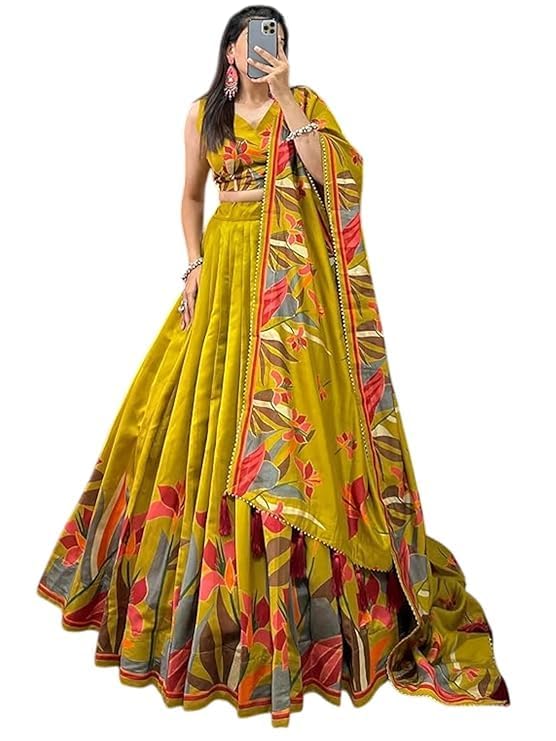
Lehenga for Women
A lehenga for women is a beautiful traditional outfit. Women wear it during weddings, festivals, and special occasions. A lehenga has three parts: a long skirt, a blouse called a choli, and a scarf called a dupatta. It looks elegant and shows culture and style. Today, lehengas come in many designs, colors, and fabrics. Knowing these choices helps you pick the best lehenga for any event.
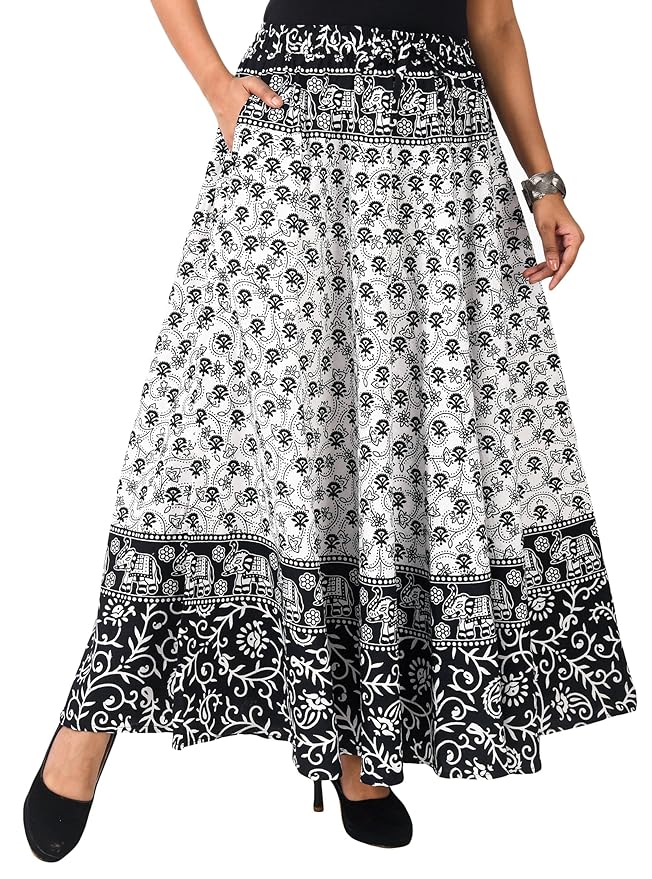
There are many styles of lehenga for women to choose from. The A-line lehenga is simple and suits most body shapes. Circular lehengas have a lot of flare and are great for twirling. Mermaid lehengas fit tight at the hips and flare out at the knees. Panelled lehengas have many vertical sections that add volume. Each style gives a different look and feel.
The fabric you pick for your lehenga is very important. Silk is rich and shiny, perfect for big weddings. Georgette and chiffon are light and good for warm weather. Velvet is soft and warm, great for winter events. Brocade has pretty woven designs and looks royal. Cotton lehengas are cool and comfortable for casual wear. The fabric changes how your lehenga feels and moves.
Colors in lehengas have changed over time. Long ago, red and maroon were most popular. Now, women choose pastels like pink, blue, and green. Bright colors and jewel tones like emerald and sapphire are also popular. Metallic colors such as gold and silver add sparkle. Ombre and mixed colors are trendy too. Pick a color that matches your skin tone and event theme.
Embroidery and decorations make a lehenga for women special. Hand embroidery, beads, sequins, and mirror work add beauty. Heavy work is common in bridal lehengas. Lighter work looks nice for smaller events. Some embroidery is done by machine and costs less. Good embroidery makes your lehenga stand out.
Fit is very important when choosing a lehenga. The blouse should fit well but not be too tight. The skirt must sit comfortably on your waist. The dupatta should be draped nicely to finish the look. Getting your lehenga tailored helps you find the perfect fit. A well-fitted lehenga looks great and feels good to wear.
Accessories help complete your lehenga for women outfit. Jewelry like necklaces, bangles, earrings, and headpieces add shine. Comfortable shoes like juttis or heels go well with lehengas. You can carry a small clutch or potli bag. Hair and makeup should match the colors and style of your lehenga. These little things make you look perfect.
Price is a big factor when buying a lehenga. Simple lehengas made of cotton or georgette can be affordable. Designer lehengas with heavy embroidery can cost more. You can find deals during sales or festivals. Local markets and online shops offer many options. Decide your budget before shopping.
Many people buy a lehenga for women online now. Online stores have many styles, colors, and sizes. You can read customer reviews to learn about fit and fabric. Make sure to check return policies before buying. Some sites show videos or pictures from all angles. Online shopping makes it easy to find the right lehenga.
Taking care of your lehenga keeps it beautiful for a long time. Most embroidered lehengas need dry cleaning. Store your lehenga in a soft cloth bag to keep it safe. Don’t hang heavy lehengas because they may stretch. Fold them carefully and keep in a dry place. Proper care helps your lehenga stay new.
The season should guide your lehenga choice too. Light fabrics like chiffon or cotton are best for summer. Thick fabrics like velvet or brocade are good for winter. Quick-dry fabrics help during the rainy season. Picking the right fabric keeps you comfortable. Think about weather when you choose your lehenga.
Lehengas change with fashion trends every year. New styles include cape blouses, ruffles, and crop tops. Some lehengas mix traditional and modern styles. Designers add pockets and detachable scarves. Personalized embroidery is becoming popular too. Trends keep the lehenga for women fresh and exciting.
A lehenga for women is a traditional Indian outfit full of charm and beauty. It’s often worn at weddings, festivals, and big celebrations. The full outfit has three main pieces—a flowing skirt, a matching blouse (called a choli), and a long scarf (dupatta). This outfit mixes grace, color, and tradition. Today, women have many modern choices in styles, fabrics, shades, and decorations. Picking the right lehenga can make you feel confident and look amazing.
There are several types of lehenga for women to choose from. A-line lehengas give a straight and neat look that fits most body types. Flared or circular lehengas are wide and spin beautifully when you move. Fish-cut or mermaid lehengas fit tightly at the top and flare at the knees. Panelled styles have stitched sections that create a rich layered look. Each cut creates a different shape and adds movement to your outfit.
Fabric plays a big part in the comfort and look of your lehenga. Silk feels soft and rich, perfect for royal events. Net and chiffon fabrics are light, airy, and move easily. Velvet is warm and soft, great for winter weddings or night parties. Brocade has shiny woven designs that look classy and festive. Cotton and linen lehengas are best for hot days and simple events. The fabric you choose will affect how the lehenga fits and flows.
Colors bring life to any lehenga for women. Red and maroon are traditional for brides, but many women now choose lighter or brighter colors. Pastel shades like peach, sky blue, and lilac give a fresh, gentle look. Darker tones like navy, wine, and emerald green feel bold and rich. Gold, silver, and rose gold are trendy for shiny, party-ready styles. Multicolor and ombré designs are fun and eye-catching. Choose a color that matches your skin tone, event, and personal style.
Lehengas often include beautiful decorations that make them special. Sequins, mirrors, zari, and beadwork add shine and texture to the fabric. Some are handmade and very detailed, while others are stitched by machine. Thread embroidery gives a neat and clean look, while mirror work adds sparkle. Bridal lehengas often use heavy designs to look extra grand. Every stitched pattern tells a story and brings your lehenga for women to life.
The fit of the lehenga is just as important as the style. Your blouse should feel snug but not tight. The skirt must stay in place without needing to be pulled up. The dupatta can be worn over the shoulder, around the arms, or over the head. A custom-stitched lehenga fits better than a ready-made one. A perfect fit helps you move freely and enjoy your celebration in comfort.
Accessories help make your lehenga look complete. Jewelry like long earrings, nose rings, headbands (maang tikka), and bangles add shine. You can wear embroidered shoes like juttis or stylish sandals. A small purse or potli bag is useful and pretty. Hair and makeup should match the colors and style of your dress. These small details make a big difference in your full lehenga for women outfit.
Price depends on many things—fabric, design, brand, and where you shop. Light, simple lehengas cost less and are great for small events. Designer or bridal lehengas with fine details may be expensive. Some stores offer discounts during festivals or holiday seasons. You can also rent a lehenga for one-time use. Set a budget before shopping so you find something lovely and affordable.
Many people buy a lehenga for women online. It’s easy and saves time, especially if you live far from big markets. Online shops show size charts, customer photos, and reviews. You can sort items by price, fabric, and color. Some websites offer video calls or virtual try-ons. Just check the return policy in case something doesn’t fit.
Taking care of your lehenga helps it last longer. Most should be dry-cleaned, especially if they have beads or sequins. Store the outfit in a cloth bag away from sunlight and moisture. Don’t hang very heavy lehengas—they can stretch and lose shape. Fold them neatly and keep them in a safe, clean place. If you care for your lehenga for women, you can wear it again or even pass it down.
The time of year matters when picking a lehenga. Lightweight fabrics are better for summer weddings and outdoor events. Heavy materials like velvet are best for colder days. During the rainy season, quick-drying fabrics or fewer layers can help. The right fabric for the season keeps you relaxed and happy. Weather-friendly choices also protect your skin and style.
Trends in lehengas keep changing with time. Cape sleeves, crop-top blouses, and layered skirts are popular now. Fusion styles mix modern shapes with traditional designs. Some lehengas have zippers, pockets, or belts for extra ease. You can even get your name or initials stitched on the fabric. Fashion helps the lehenga for women stay fresh and creative.
Cultural Importance of Lehenga for Women
The lehenga for women is not just a fashion item—it has deep cultural roots. In many Indian communities, wearing a lehenga marks important life moments, such as weddings and festivals. Each region has its own version with unique patterns, colors, and weaving techniques. For example, Rajasthan is known for bright mirror work, while Bengal uses fine thread embroidery. Wearing a traditional lehenga shows respect for customs and family traditions. It connects modern women to their heritage in a stylish way.
Across India, the lehenga for women looks different from one state to another. In Gujarat, lehengas are often colorful with bold mirror work and bandhani prints. In Punjab, they are heavily embroidered with gold thread, called phulkari. Southern states sometimes mix lehengas with silk saris for a graceful blend. In Kashmir, you may find woolen lehengas with floral needlework for warmth and style. These regional touches make every lehenga special and reflect the art of local artisans.
A new trend in fashion is the eco-friendly lehenga for women. Many designers now use organic cotton, natural dyes, and recycled fabrics. These lehengas are safer for the skin and better for the planet. Some brands also support local workers and fair trade practices. Choosing a sustainable lehenga is a smart way to look good and help the environment. It’s fashion with a purpose, and it shows that style and responsibility can go together

Leave A Comment